Month: October 2025

Florida Estate Planning Checklist: The Essential Documents Every Florida Family Should Have

Planning your estate is not just about distributing assets, it is about protecting your loved ones, preserving your legacy, and making sure your wishes are honored under Florida law. Whether you are just getting started or updating an existing plan, this quick guide highlights the core documents every Floridian should consider.

1. Last Will & Testament

Your Last Will is the cornerstone of your estate plan. It allows you to:

  • Decide who inherits your assets and on what terms.
  • Name a guardian for minor children.
  • Specify your final wishes, such as burial or cremation.
  • Appoint a personal representative (executor) to handle your estate.

Florida requires two witnesses for a valid Last Will, however, notarizing the Will through a self-proving affidavit is a best practice that can simplify the probate process by creating an easier way to prove its validity later. A Last Will must be carefully drafted to comply with state law to avoid delays or disputes during probate.

2. Durable Power of Attorney (Financial & Property Management)

A Durable Power of Attorney (DPOA) authorizes a trusted person (your “Agent”) to act on your behalf in financial, business, or property matters, even if you become incapacitated.

Common Powers Include:

  • Managing bank accounts and paying bills
  • Handling real estate and investments
  • Filing taxes or signing contracts

Florida law does not permit “springing” powers of attorney—your DPOA is effective immediately upon signing, so choose your Agent wisely.

3. Health Care Surrogate Designation

This document lets you appoint someone to make medical decisions if you cannot communicate. Your Healthcare Surrogate can:

  • Speak with doctors and review records
  • Consent to or refuse treatments
  • Carry out your wishes during hospitalization or incapacity.

4. Living Will / Advance Directive

A Living Will, also called an Advance Directive, expresses your wishes about end-of-life care if you are terminally ill or permanently unconscious.

It helps your family and physicians know:

  • Whether you want life-sustaining treatment
  • Preferences for pain management, hydration, or feeding
  • Spiritual or organ donation requests

Florida Statutes (Chapter 765) govern Living Wills—these must be in writing, signed, and witnessed by two adults, with one of the witnesses not being a spouse or blood relative.

5. Revocable Living Trust

A Living Trust lets you transfer ownership of assets during your lifetime while keeping control as the trustee. Upon your death, assets in the Trust pass directly to your beneficiaries without probate.

Key Benefits:

  • Avoids Florida probate court
  • Maintains privacy of your estate
  • Allows controlled or delayed distribution to heirs
  • Can provide ongoing management if you become incapacitated

Florida couples can create either individual or joint trusts, which are ideal for couples seeking a smooth transfer of property.

6. Other Considerations

  • Beneficiary Designations: Keep life insurance, IRAs, and bank account designations current.
  • Digital Assets: Include email, cryptocurrency, and online accounts in your plan.
  • Funeral & Final Arrangements: Consider a written “Letter of Instruction” for family reference.

Get Professional Guidance

Florida estate planning laws are strict and technical—a single error can render your Last Will or Power of Attorney invalid. Working with an experienced Florida estate planning attorney ensures your documents comply with current statutes and reflect your specific goals.

The foregoing is a brief and general overview of the topic and the need for specific and experienced legal and tax advice is emphasized.

CASERTA & SPIRITI, PLLC. in Miami Lakes proudly helps Florida families create and update Last Wills, Trusts, and Powers of Attorney that offer peace of mind and long-term protection at affordable rates.


Who Will Care for Your Pets When You Are Gone?

[Why Every Florida Pet Owner Should Consider a Pet Trust]

For many Floridians, pets are family. Yet too often, even loving owners forget to plan for their furry (or feathered) companions if something unexpected happens. Without clear instructions and funding, pets can end up neglected, rehomed, or even surrendered to shelters. The best way to ensure your pets’ safety and comfort after your passing is through a Florida Pet Trust, a legally recognized document that guarantees ongoing care and financial support for your animals.

What Is a Florida Pet Trust?

Under Florida Statute §736.0408, pet trusts are fully enforceable. A pet trust allows you to set aside funds for the care and maintenance of your pets during your lifetime and after your death.

You designate:

  • A trustee to manage the funds and ensure your wishes are followed.
  • A caregiver to provide day-to-day care.
  • Specific instructions about your pet’s food, housing, and veterinary care.

Unlike informal verbal promises to friends or relatives, a Florida Pet Trust creates a legal obligation to care for your pet exactly as you direct.

Why a Pet Trust Is Better Than Just “Leaving Money”

In Florida (and every state), you cannot leave money directly to an animal. Pets are considered personal property under the law. A pet trust solves this problem by naming a trustee who controls the funds for the benefit of your pet.

Your trust can:

  • Provide for lifetime care, especially for long-lived pets like parrots or tortoises.
  • Designate alternate caregivers in case your first choice cannot serve.
  • Avoid delays in probate since funds can be made immediately available through a living trust.

For many owners, the cost is modest, i.e., a few hundred dollars to several thousand to create (depending on complexity), and it can be funded by a small life insurance policy or savings account.

Why Planning Matters

Sadly, Florida shelters report hundreds of animals surrendered each year after an owner’s death or illness. Often, family members cannot take in pets or may be unaware of the owner’s wishes. Without a plan, animals may face uncertain or tragic outcomes.

A properly funded pet trust:

  • Protects your pets from being rehomed or surrendered.
  • Prevents disputes among family members.
  • Gives peace of mind knowing your pets will be cared for as you intended.

How to Set Up a Pet Trust in Florida

  • Work with an experienced estate planning attorney to draft a Florida-compliant pet trust.
  • Name a trustworthy caregiver and backup. Discuss the role in advance.
  • Appoint a trustee (an individual or institution) to oversee distributions.
  • Fund the trust with enough to cover food, medical care, and other expenses for your pets’ lifetimes.
  • Keep it updated as your pets, caregivers, or finances change.

For exotic or long-lived animals, your attorney may recommend creating a standalone trust or incorporating the pet trust into your revocable living trust for simplicity and continuity.

Final Thoughts

Estate planning is not just for people; it is for the pets that depend on you, as well. Florida law makes it easy to ensure your beloved companions are never left without care or resources.

An experienced estate planning attorney can help you design a Florida Pet Trust that protects your animals, aligns with your broader estate plan, and brings lasting peace of mind.

The foregoing is a brief and general overview of the topic and the need for specific and experienced legal and tax advice is emphasized.

If you have any additional questions regarding the foregoing or have any legal issues or concerns, please contact the law firm of CASERTA & SPIRITI in Miami Lakes, Florida.

Does Your Estate Plan Include Cryptocurrency? Practical Estate Planning for Digital Assets Under Florida’s RUFADAA

As our lives increasingly move online, traditional estate planning must evolve to address a new category of property — digital assets. From cryptocurrency and NFTs to online bank accounts, social media, and cloud storage, today’s estates include far more than physical and financial property. The question is, who can legally access those assets when you pass away or become incapacitated?

In Florida, the answer lies in the Revised Uniform Fiduciary Access to Digital Assets Act (RUFADAA) which is a law that provides a legal framework for fiduciaries such as executors/personal representatives, trustees, guardians, and agents under a power of attorney to access a person’s digital property after death or incapacity.

The law is codified in Florida Statute Chapter 740 (FIDUCIARY ACCESS TO DIGITAL ASSETS) and allows users to explicitly authorize fiduciaries in their estate planning documents to manage digital assets, such as photos, online accounts, and social media.

Florida’s Adoption of RUFADAA

Florida adopted its version of RUFADAA in 2016 (codified in Chapter 740, Florida Statutes). The law balances two competing interests:

  1. Protecting an individual’s privacy and intent regarding their digital assets, and
  2. Allowing fiduciaries to manage those assets as part of their legal duties after death or incapacity.

Under Florida law, a fiduciary’s access to digital assets is not automatic. Instead, the owner must expressly grant access, i.e., either through the online platform’s own tools (such as Google’s “Inactive Account Manager” or Facebook’s “Legacy Contact”) or through clear provisions in an estate planning document such as a Last Will, Trust, or Durable Power of Attorney.

What Counts as a “Digital Asset”?

RUFADAA defines “digital assets” broadly. These include:

  • Cryptocurrency (Bitcoin, Ethereum, etc.) and related wallets or exchange accounts
  • NFTs (Non-Fungible Tokens)
  • Online financial accounts (PayPal, Venmo, CashApp, etc.)
  • Email accounts and cloud storage
  • Social media accounts (Facebook, Instagram, X/Twitter, LinkedIn)
  • Digital photos, videos, and creative works stored online
  • Domain names, blogs, and monetized websites or channels

In short: if it lives online or is accessed electronically, it is a digital asset, and unless you authorize access, your fiduciaries may be legally barred from retrieving it.

Why Cryptocurrency and Digital Assets Pose Special Challenges

Unlike traditional assets held by a bank or brokerage, cryptocurrency is decentralized. Consequently, there is no single institution that can reset your password or provide account access after your death. If no one knows your private keys or wallet recovery phrases, your digital fortune could be permanently lost.

That is why it is essential for Floridians who hold digital currency or other valuable digital assets to create a comprehensive plan that ensures access yet safeguards security during life.

Practical steps include:

  • Maintaining a secure record of wallet keys and exchange credentials (and storing them separately from your Last Will).
  • Naming a trusted digital executor/personal representative or trustee in your Last Will or Trust who is granted explicit authority under RUFADAA to manage digital property.
  • Working with your attorney to include specific RUFADAA-compliant language in your estate planning documents.

How to Grant Access to Your Digital Assets

Under Florida’s RUFADAA, there is a clear hierarchy that determines how fiduciaries can access digital property:

  1. Online Tools or Platforms – If a digital service offers a tool to designate who may access your account after death (like Google’s or Apple’s legacy options), that instruction takes priority.
  2. Estate Planning Documents – If you specify access permissions in your Last Will, Trust, or Power of Attorney, those directions control.
  3. Service Provider Terms of Service (TOS) – If no designation exists, access may be limited or denied according to the provider’s own policies.

In other words: if you do not make your wishes known, your fiduciaries may be powerless to act, even with court authority.

Why This Matters for Florida Residents

Florida residents are increasingly investing in digital assets, especially cryptocurrency and online businesses. Yet many existing estate plans fail to address these types of property. Without proper authorization, families may face:

  • Locked accounts that cannot be accessed or transferred
  • Lost cryptocurrency or NFTs
  • Delays in estate administration
  • Potential privacy or legal violations

By planning ahead under Florida’s RUFADAA framework, you ensure your digital life is managed just as carefully as your tangible and financial assets.

Next Steps: Protecting Your Digital Legacy

If you own cryptocurrency, maintain an online business, or simply want to ensure your personal accounts are protected and accessible, now is the time to act.

A Florida estate planning attorney can help you:

  • Update your Last Will, Trust, and Power of Attorney to include digital asset provisions.
  • Create a Digital Asset Inventory and instructions for fiduciaries.
  • Safeguard your private keys and passwords while maintaining privacy and security.

Conclusion

Digital assets are now part of everyday life, and estate planning in Florida must reflect that reality. The Revised Uniform Fiduciary Access to Digital Assets Act empowers you to control what happens to your online life when you no longer can.

As technology evolves, so should your estate plan. Do not allow your cryptocurrency, social media, or online business to disappear into the digital void, ensure your plan covers your digital legacy as well.

The foregoing is a brief and general overview of the topic and the need for specific and experienced legal and tax advice is emphasized.

If you have any additional questions regarding the foregoing or have any legal issues or concerns, please contact the law firm of CASERTA & SPIRITI in Miami Lakes, Florida.

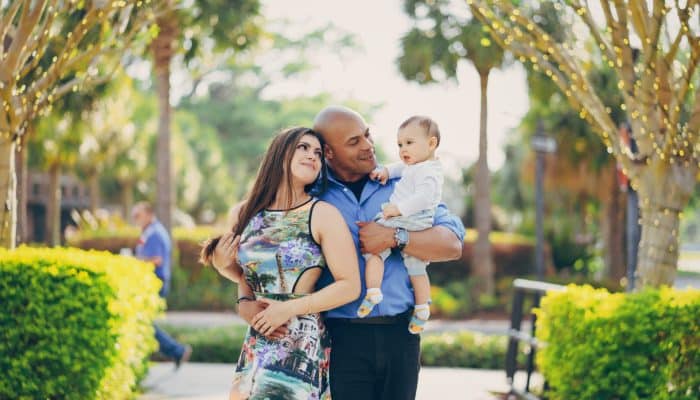
Legal Checklist for New Parents in Florida: Protecting Your Family’s Future

Welcoming a new baby is one of life’s most exciting milestones, but it also comes with new responsibilities. While you may be focused on setting up a nursery or choosing a pediatrician, it is just as important to take steps that protect your child’s future and give you peace of mind.

The following is a general Florida-specific legal checklist for new parents to help them prepare.

Why Plan Ahead?

Sleepless nights, endless feedings, and adjusting to parenthood leave little time for paperwork. By planning in advance, you can avoid stressful decisions in emergencies and ensure your child is cared for no matter what happens.

Estate and family planning documents give you control and protect your loved ones from uncertainty. The earlier you get these documents in place, the more time you will have to focus on your new baby.

Legal and Financial Steps for New Parents in Florida

1. Create or Update Your Estate Plan

  • Last Will & Testament and Preneed Guardian: Name guardians for your child if something happens to you and your spouse. Without a Will as well as Preneed Guardian, Florida law—not you—decides who raises your child and how your assets are distributed.
  • Trusts: A Revocable Living Trust can help manage and protect assets for your child’s benefit and avoid probate delays.
  • Annual Review: Revisit your estate plan regularly to keep up with life changes (additional children, new property, etc.).

2. Purchase Life Insurance

Life insurance helps ensure your child and spouse are financially secure if the unexpected happens.

  • Term Life: Affordable coverage for a set period (e.g., 20 years).
  • Whole Life: Permanent coverage that may build cash value over time.

Your estate planning attorney and financial advisor can recommend the best fit for your family.

3. Apply for a Birth Certificate and Social Security Number

Florida hospitals provide a birth registration form at delivery, where you can request a Social Security number. If you miss it, you can obtain both later through the Florida Department of Health’s Bureau of Vital Statistics.

4. Add Your Child to Your Health Insurance

Your baby is not automatically covered under your policy. Florida law allows a special enrollment period—typically 30 days from the date of birth—to add your child to your health plan. Check with your employer’s HR department or insurance provider to avoid coverage gaps.

5. Consider a Minor Child Power of Attorney &/or a Designation of Healthcare Surrogate for a Minor

If you rely on a grandparent, relative, or nanny, a Florida Minor Child Power of Attorney and/or Designation of Healthcare Surrogate for a Minor can grant them permission to pick up your child from daycare, make medical decisions in emergencies, or handle other care-related tasks.

6. Start Saving for College

With tuition costs rising, it is never too early to save. Florida offers a 529 Savings Plan and the Florida Prepaid College Plan, both of which provide tax-advantaged ways to fund your child’s education.

7. Take Advantage of Tax Benefits

Parents can claim:

  • Child Tax Credit (subject to income limits).
  • Dependent Exemptions (starting the year your child is born).
  • Dependent Care Credit for daycare or after-school expenses.

Consult with a tax professional to maximize your benefits under federal and Florida law.

When Should New Parents Start Planning?

Ideally, before your child is born. In addition to a hospital birth plan, you may also want:

  • Hospital Visitation Authorization to ensure your chosen visitors are allowed.
  • Parenting Plan if you are co-parenting outside of marriage, which clarifies custody, support, and visitation expectations under Florida law.

The earlier you take these steps, the smoother your transition into parenthood will be.

Final Thoughts

Planning for your child’s future does not just protect your assets, it protects your peace of mind. From naming a guardian to securing health and financial coverage, these steps help ensure your baby is cared for no matter what happens.

The foregoing is a brief and general overview of the topic and the need for specific and experienced legal and tax advice is emphasized.

If you are a new or expecting parent in Florida, the estate planning attorneys at CASERTA & SPIRITI in Miami Lakes can guide you through creating a customized plan for your growing family.