
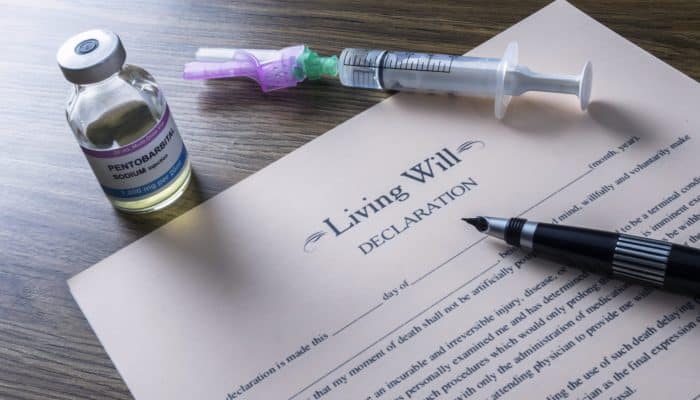
When planning for medical emergencies or end-of-life care in Florida, two documents often cause confusion: the Living Will and the Do Not Resuscitate Order (DNRO/DNR). Although people sometimes use these terms interchangeably, they serve very different purposes under Florida law. Understanding the distinction is essential to ensuring your wishes are honored when you are unable to speak for yourself.
As part of a comprehensive incapacity and estate plan, most Floridians should have:
- A Durable Power of Attorney,
- A Designation of Health Care Surrogate, and
- A Living Will.
These advance directives allow your loved ones to manage your legal, financial, and medical decisions without court intervention.
What a Florida Living Will Actually Does
A Living Will is your written statement outlining which life-prolonging procedures you want, or do not want, if you are diagnosed with:
- A terminal condition,
- An end-stage condition, or
- A persistent vegetative state,
as defined in Chapter 765, Florida Statutes.
Life-prolonging procedures can include:
- Ventilators and breathing machines
- Feeding tubes
- Surgery and dialysis
- Pacemakers or implanted devices
- CPR and resuscitation efforts
- Other invasive treatments used solely to prolong the dying process
Most importantly, your Living Will expresses whether you wish to be resuscitated under these circumstances, but it does not create a medical order prohibiting resuscitation. Instead, it tells your physicians and healthcare surrogate what you want and directs them to follow those wishes.
What a Florida Do Not Resuscitate Order (DNRO/DNR) Does
A DNRO (Form DH 1896) is not an advance directive. It is a medical order signed by your physician or APRN (Advanced Practice Registered Nurse) that instructs emergency personnel not to perform CPR if your heart stops or you stop breathing.
Key distinctions:
- It must be on yellow paper, per Florida Department of Health requirements, so EMS can quickly identify it.
- It is typically not prepared by your attorney—your doctor must issue it.
- At home, it should be placed where EMS can easily find it (commonly the refrigerator or bedroom door).
- Without a DNRO/DNR present and visible, EMS must perform CPR, even if your Living Will states otherwise.
A Living Will expresses your intentions; a DNRO/DNR enforces them in real-time during an emergency.
Why DNROs Matter: The Realities of CPR
Many people do not realize how physically traumatic and medically ineffective CPR can be, especially for the elderly or those with chronic illnesses. CPR can lead to:
- Broken ribs
- Internal bleeding
- Lung punctures
- Immediate placement on a ventilator
Statistically:
- A healthy adult has less than a 15% chance of a full recovery after CPR.
- An older adult with serious illness has less than a 2% chance of meaningful recovery.
For this reason, many Floridians choose a DNRO/DNR to avoid unnecessary suffering when death is expected or inevitable.
What Decisions Does a Living Will Cover?
Without clear instructions, Florida healthcare providers must use every available intervention to sustain life. Your Living Will allows you to decide while competent—whether to accept or decline:
- Mechanical ventilation
- Intubation
- CPR
- Feeding tubes
- Dialysis
- Blood transfusions
- Antibiotics
- Other aggressive treatments
These decisions are deeply personal, and Florida law allows you to make them in advance.
Florida’s Legal Framework for Living Wills
Under Florida Statutes Chapter 765:
- Any competent adult may create a Living Will.
- It must be signed in front of two witnesses, one of whom is not a spouse or blood relative.
- It remains valid until you revoke it.
- Healthcare providers who follow your properly executed Living Will in good faith receive legal protection.
Two Common Approaches to End-of-Life Care Decisions
- Maximum Intervention
Some individuals prefer that all possible medical treatments be used, regardless of prognosis. Their Living Will may state, for example:
“I direct healthcare providers to use all available life-prolonging procedures, regardless of my condition or likelihood of recovery.” - Comfort-Focused Care
Others prioritize avoiding unnecessary pain when recovery is not medically possible:
“If I am in a terminal condition with no reasonable probability of recovery, I direct that life-prolonging procedures be withheld or withdrawn, and that comfort care and pain management be provided.”
Most Florida Living Wills allow you to select specific interventions you would accept or refuse.
Benefits of Creating a Living Will in Florida
A Florida-compliant Living Will offers significant advantages:
- Ensures your medical wishes are followed
- Reduces emotional burden on your family
- Prevents conflict among relatives
- Preserves dignity in your final stages of life
Tips for an Effective Florida Living Will
To ensure your Living Will works as intended:
- Be specific about the treatments you would accept or decline.
- Update it periodically as circumstances or beliefs change.
- Discuss your choices with loved ones and your healthcare surrogate.
- Provide copies to your doctors and keep it accessible.
- Coordinate it with your Healthcare Surrogate Designation and other directives.
A Difficult but Essential Conversation
Discussing end-of-life care may feel uncomfortable, but documenting your wishes now offers tremendous peace of mind. By completing a valid Florida Living Will and, when appropriate, working with your doctor to execute a DNRO/DNR, you ensure that your values guide your care and that your loved ones are spared from making painful decisions in moments of crisis.
The foregoing is a brief and general overview of the topic and the need for specific and experienced legal and tax advice is emphasized.
If you have any additional questions regarding the foregoing or have any legal issues or concerns, please contact the law firm of CASERTA & SPIRITI in Miami Lakes, Florida.