

Living Will vs. Do Not Resuscitate Order in Florida: What is the Real Difference?

When planning for medical emergencies or end-of-life care in Florida, two documents often cause confusion: the Living Will and the Do Not Resuscitate Order (DNRO/DNR). Although people sometimes use these terms interchangeably, they serve very different purposes under Florida law. Understanding the distinction is essential to ensuring your wishes are honored when you are unable to speak for yourself.

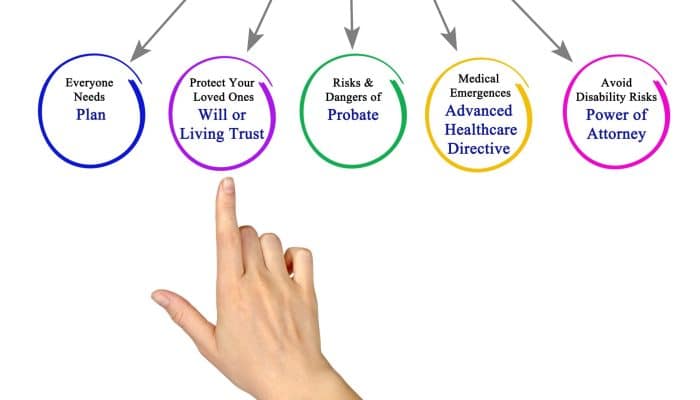
As part of a comprehensive incapacity and estate plan, most Floridians should have:

  • A Durable Power of Attorney,
  • A Designation of Health Care Surrogate, and
  • A Living Will.

These advance directives allow your loved ones to manage your legal, financial, and medical decisions without court intervention.

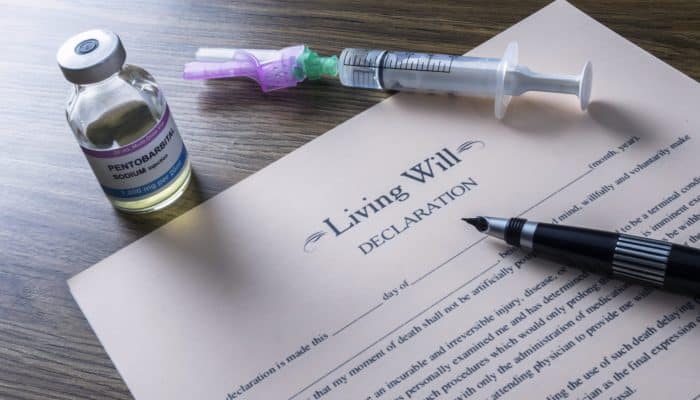
What a Florida Living Will Actually Does

A Living Will is your written statement outlining which life-prolonging procedures you want, or do not want, if you are diagnosed with:

  • A terminal condition,
  • An end-stage condition, or
  • A persistent vegetative state,

as defined in Chapter 765, Florida Statutes.

Life-prolonging procedures can include:

  • Ventilators and breathing machines
  • Feeding tubes
  • Surgery and dialysis
  • Pacemakers or implanted devices
  • CPR and resuscitation efforts
  • Other invasive treatments used solely to prolong the dying process

Most importantly, your Living Will expresses whether you wish to be resuscitated under these circumstances, but it does not create a medical order prohibiting resuscitation. Instead, it tells your physicians and healthcare surrogate what you want and directs them to follow those wishes.

What a Florida Do Not Resuscitate Order (DNRO/DNR) Does

A DNRO (Form DH 1896) is not an advance directive. It is a medical order signed by your physician or APRN (Advanced Practice Registered Nurse) that instructs emergency personnel not to perform CPR if your heart stops or you stop breathing.

Key distinctions:

  • It must be on yellow paper, per Florida Department of Health requirements, so EMS can quickly identify it.
  • It is typically not prepared by your attorney—your doctor must issue it.
  • At home, it should be placed where EMS can easily find it (commonly the refrigerator or bedroom door).
  • Without a DNRO/DNR present and visible, EMS must perform CPR, even if your Living Will states otherwise.

A Living Will expresses your intentions; a DNRO/DNR enforces them in real-time during an emergency.

Why DNROs Matter: The Realities of CPR

Many people do not realize how physically traumatic and medically ineffective CPR can be, especially for the elderly or those with chronic illnesses. CPR can lead to:

  • Broken ribs
  • Internal bleeding
  • Lung punctures
  • Immediate placement on a ventilator

Statistically:

  • A healthy adult has less than a 15% chance of a full recovery after CPR.
  • An older adult with serious illness has less than a 2% chance of meaningful recovery.

For this reason, many Floridians choose a DNRO/DNR to avoid unnecessary suffering when death is expected or inevitable.

What Decisions Does a Living Will Cover?

Without clear instructions, Florida healthcare providers must use every available intervention to sustain life. Your Living Will allows you to decide while competent—whether to accept or decline:

  • Mechanical ventilation
  • Intubation
  • CPR
  • Feeding tubes
  • Dialysis
  • Blood transfusions
  • Antibiotics
  • Other aggressive treatments

These decisions are deeply personal, and Florida law allows you to make them in advance.

Florida’s Legal Framework for Living Wills

Under Florida Statutes Chapter 765:

  • Any competent adult may create a Living Will.
  • It must be signed in front of two witnesses, one of whom is not a spouse or blood relative.
  • It remains valid until you revoke it.
  • Healthcare providers who follow your properly executed Living Will in good faith receive legal protection.

Two Common Approaches to End-of-Life Care Decisions

  1. Maximum Intervention
    Some individuals prefer that all possible medical treatments be used, regardless of prognosis. Their Living Will may state, for example:
    “I direct healthcare providers to use all available life-prolonging procedures, regardless of my condition or likelihood of recovery.”
  2. Comfort-Focused Care
    Others prioritize avoiding unnecessary pain when recovery is not medically possible:
    “If I am in a terminal condition with no reasonable probability of recovery, I direct that life-prolonging procedures be withheld or withdrawn, and that comfort care and pain management be provided.”

Most Florida Living Wills allow you to select specific interventions you would accept or refuse.

Benefits of Creating a Living Will in Florida

A Florida-compliant Living Will offers significant advantages:

  1. Ensures your medical wishes are followed
  2. Reduces emotional burden on your family
  3. Prevents conflict among relatives
  4. Preserves dignity in your final stages of life

Tips for an Effective Florida Living Will

To ensure your Living Will works as intended:

  • Be specific about the treatments you would accept or decline.
  • Update it periodically as circumstances or beliefs change.
  • Discuss your choices with loved ones and your healthcare surrogate.
  • Provide copies to your doctors and keep it accessible.
  • Coordinate it with your Healthcare Surrogate Designation and other directives.

A Difficult but Essential Conversation

Discussing end-of-life care may feel uncomfortable, but documenting your wishes now offers tremendous peace of mind. By completing a valid Florida Living Will and, when appropriate, working with your doctor to execute a DNRO/DNR, you ensure that your values guide your care and that your loved ones are spared from making painful decisions in moments of crisis.

The foregoing is a brief and general overview of the topic and the need for specific and experienced legal and tax advice is emphasized.

If you have any additional questions regarding the foregoing or have any legal issues or concerns, please contact the law firm of CASERTA & SPIRITI in Miami Lakes, Florida.

A Jewish Living Will in Florida: Ensuring Your Medical Care Honors Both State Law and Halacha

For many Jewish individuals and families in Florida, end-of-life planning is not only a legal responsibility but also a deeply personal expression of faith. A Jewish Living Will—often drafted as a Halachic Living Will—allows Floridians to document their medical wishes in a way that is fully compliant with Florida law while ensuring that all healthcare decisions align with Jewish law (Halacha) and the guidance of a trusted rabbinic authority.

This document integrates the requirements of Florida’s advance directive statutes with the religious principles that govern ethical medical decision-making in Judaism, offering clarity, peace of mind, and legal protection for you and your loved ones.

What Is a Jewish (Halachic) Living Will?

A Jewish or Halachic Living Will is a Florida Advance Directive that:

  • Meets all legal requirements for validity under Florida Statutes Chapter 765,
  • Appoints a healthcare surrogate who understands your religious wishes,
  • Instructs medical providers that all decisions must be made in accordance with Halacha,
  • Often designates a rabbi or recognized halachic authority to guide the surrogate and medical team.

This document ensures that your treatment preferences, including life support, pain management, artificial nutrition and hydration, and end-of-life decisions, adhere fully to Jewish religious law.

Key Elements of a Jewish Living Will in Florida

1. Compliance With Florida Legal Requirements

To be valid in Florida, a Living Will, Jewish or otherwise, must be:

  • Signed by the principal (the person creating it),
  • Witnessed by two adults,
  • With at least one witness who is not the principal’s spouse or blood relative.

If the principal cannot physically sign, a witness may sign on their behalf in the principal’s presence and at their direction.

2. Incorporation of Jewish Law (Halacha or Halakha or Halachah)

A Jewish Living Will may include:

  • Direct instructions on life-prolonging treatment and life support,
  • Guidance on pain management consistent with halachic principles,
  • Requests for rabbinic consultation before major medical decisions,
  • Statements regarding artificial hydration, nutrition, and resuscitation consistent with Torah law.

Some individuals choose to specify a particular rabbi or organization whose halachic rulings should be followed.

3. Appointment of a Healthcare Surrogate

Florida law allows you to designate a healthcare surrogate who:

  • Makes medical decisions if you become incapacitated,
  • Ensures your halachic instructions are communicated and honored,
  • Consults with the rabbinic authority identified in the document.

This designation is essential, as medical professionals in Florida rely on the legally appointed surrogate to interpret and enforce your wishes.

4. Use of Clear, Customized Definitions

Florida statutes do not define every medical term relevant to halachic end-of-life issues. A Jewish Living Will should clearly define:

  • Life-prolonging procedures,
  • Artificial hydration and nutrition,
  • Comfort care and palliative treatment,
  • Circumstances that require rabbinic review.

This minimizes ambiguity and helps ensure compliance with both civil and religious expectations.

5. Ensuring Halachic and Legal Consistency

Working with an attorney knowledgeable in both Florida estate planning and religiously compliant Advance Directives ensures:

  • Alignment between Florida law and Jewish ethical mandates,
  • Avoidance of contradictions that could invalidate the document,
  • Proper execution and enforceability in a medical crisis.

Organizations such as Agudath Israel of America, NASCK (National Association of Chevra Kadisha), and the Greater Miami Jewish Federation also provide guidance and forms that reflect widely accepted halachic standards.

A Halachic Living Will: How It Differs From a Standard Living Will

Most standard living will forms require a person to select specific medical preferences for each scenario. A Halachic Living Will takes a different approach.

It typically:

  • Declares that all medical decisions must comply with halacha,
  • Delegates interpretation of Jewish law to a qualified rabbi or authority,
  • Ensures that treatment options are evaluated based on halachic definitions of pikuach nefesh (preservation of life), suffering, and dignity.

This ensures consistent, halachically appropriate decisions even in complex or unforeseen medical situations.

How to Create a Jewish Living Will in Florida

1. Consult the Right Professionals

Discuss your goals with:

  • A Florida estate planning attorney,
  • Your rabbi or halachic advisor,
  • Your physician and family.

This helps ensure clarity and reduces the likelihood of disputes or confusion.

2. Obtain a Halachic Living Will Form

Florida-specific forms and guidance are available from:

  • Agudath Israel of America,
  • National Association of Chevra Kadisha (NASCK),
  • Greater Miami Jewish Federation,
  • Cedars-Sinai and other hospitals with Jewish bioethics programs.

These documents can be adapted to meet Florida’s statutory requirements.

3. Draft the Combined Document

Your attorney will integrate:

  • Florida’s legally required language,
  • Your specific halachic directives,
  • The appointment of a surrogate and rabbinic authority.

4. Execute the Document Properly

Sign your Living Will in the presence of two qualified adult witnesses as required by Florida law.

5. Provide Copies to All Necessary Parties

Distribute copies to:

  • Your healthcare surrogate,
  • Your treating physician(s),
  • Your family members,
  • Your rabbi,
  • Your attorney.

You may also choose to register it with the U.S. Will/Living Will Registry or The U.S. Advance Care Plan Registry (USACPR) for immediate hospital access.

What a Jewish Living Will Is Not

A Jewish (Halachic) Living Will is not the same as a Halachic Will or Last Will (Tzava’ah), which addresses inheritance and distribution of assets according to Jewish law. Many individuals complete both as part of their overall estate plan.

Conclusion

A Jewish or Halachic Living Will gives Florida residents a powerful tool to ensure their medical care reflects both:

  • Florida’s legal requirements, and
  • The timeless ethical principles of Jewish law.

By thoughtfully preparing this document, you protect your dignity, relieve your family of uncertainty, and guarantee that your care is handled in accordance with your faith and your values.

The foregoing is a brief and general overview of the topic and the need for specific and experienced legal and tax advice is emphasized.

If you have any additional questions regarding the foregoing or have any legal issues or concerns, please contact the law firm of CASERTA & SPIRITI in Miami Lakes, Florida.
An Islamic Living Will in Florida: Protecting Your Medical Wishes With Faith-Aligned and Legally Compliant Planning

For Muslim individuals and families in Florida, advance medical planning involves both legal responsibility and religious guidance. An Islamic (Muslim) Living Will allows you to clearly document your medical wishes in a way that complies with Florida law while honoring the ethical and spiritual principles of Sharia (Islamic law). This combined directive helps ensure that your treatment, especially during critical or end-of-life moments, is handled according to Islamic values such as preservation of life (Hifz al-Nafs), human dignity, and the avoidance of unnecessary suffering.

This document is legally recognized in Florida and serves as an essential part of a comprehensive estate and incapacity plan for Muslims across the state.

What Is an Islamic Living Will?

An Islamic Living Will is a Florida advance directive that:

  • Meets Florida’s statutory requirements for a valid Living Will,
  • Outlines your medical treatment preferences under Islamic bioethics,
  • Appoints a healthcare surrogate who understands and will honor your religious beliefs, and
  • Ensures that any decisions made on your behalf reflect your faith and values.

It is important to understand that an Islamic Living Will is separate and distinct from a Last Will and Testament (Wasiyyah), which governs the distribution of assets after death. The Islamic Living Will is purely a medical decision-making document.

Key Legal Requirements for a Valid Living Will in Florida

Under Chapter 765, Florida Statutes, a Living Will must meet certain conditions to be enforceable. A Florida-compliant Islamic Living Will must:

  • ✔ Be executed by a mentally competent adult
    You must be at least 18 years old and of sound mind at the time of signing.
  • ✔ Be signed in the presence of two witnesses
    At least one witness cannot be your spouse or a blood relative.
  • ✔ Be in writing
    Oral directives are not legally valid.
  • ✔ Be provided to your physician or medical facility
    This ensures medical staff know your wishes during a crisis.
  • ✔ Ideally include a Designation of Healthcare Surrogate
    This companion document authorizes the person you trust, preferably someone familiar with Islamic medical ethics, to make decisions if you are incapacitated.
  • ✔ Notarization
    Not required under Florida law but strongly recommended to prevent challenges or claims of improper execution.

Incorporating Islamic Principles Into Your Living Will

Islamic bioethical guidelines strongly influence medical decision-making. An Islamic Living Will may include:

1. Preservation of Life (Hifz al-Nafs)

You may specify that all treatments intended to preserve life should be considered, so long as they offer a reasonable expectation of recovery and are not excessively burdensome.

2. Avoiding Treatment That Only Prolongs the Dying Process

Islam teaches that when death is imminent and no medical intervention will restore meaningful recovery; it is permissible to decline extraordinary or futile treatments.

Your Living Will may direct:

  • No artificial life support where recovery is medically impossible
  • Withdrawal or refusal of life-prolonging procedures when death is inevitable
  • Comfort care only, including pain relief consistent with Islamic teachings

3. Pain Relief and Palliative Care

You can request pain relief even if it may unintentionally hasten death, provided the intent is not to cause death, consistent with Islamic ethics.

4. Organ Donation and Transplants

Different Islamic schools of thought allow organ donation under specific circumstances. Your Living Will can clearly express your position on:

  • Donating organs,
  • Receiving organ transplants,
  • Any religious conditions or restrictions.

5. Islamic Funeral and Burial Instructions

Although funeral directions do not make a Living Will legally binding, many Muslims include statements such as:

  • No embalming or autopsy unless legally required,
  • Timely burial in accordance with Islamic practice,
  • Notification of an Islamic center or imam.

Including these instructions can help guide family members in honoring your religious obligations.

Drafting an Islamic Living Will in Florida

Creating a document that is both legally enforceable and religiously compliant requires careful legal and religious consultation. A well-drafted Islamic Living Will typically involves the following steps:

1. Consult a Florida Estate Planning Attorney

To ensure the document meets all state requirements and aligns with Sharia principles, choose an attorney familiar with:

  • Florida’s advance directive laws,
  • Islamic bioethics and inheritance concepts, and
  • The proper drafting of medical directives for Muslim clients.

2. Clarify Your Religious and Medical Preferences

Discuss your beliefs and intentions regarding:

  • Life support
  • Resuscitation (DNR/DNI preferences, i.e., Do Not Resuscitate and Do Not Intubate)
  • Artificial nutrition and hydration
  • Organ donation
  • Levels of pain management

Your attorney can help translate these preferences into legally enforceable language.

3. Use Reputable Islamic Resources for Guidance

Many Islamic organizations provide worksheets and educational materials, including:

  • Local Masjids and Islamic centers
  • Islamic medical ethics organizations
  • National Sharia-compliant estate planning groups

These tools can help you prepare, but they do not replace a properly drafted legal document.

4. Execute the Document Properly

Sign the Islamic Living Will with two adult witnesses in accordance with Florida law. Consider notarizing the document for added security.

5. Distribute Copies to Key Individuals

Provide copies to:

  • Your healthcare surrogate,
  • Your primary care physician,
  • Your family,
  • Your attorney,
  • Your preferred Islamic center, if desired.

This ensures your wishes are known and honored in an emergency.

Why an Islamic Living Will Matters

Creating an Islamic Living Will provides significant benefits:

  • ✔ Ensures your treatment aligns with your faith
    Medical decisions will reflect Islamic bioethical principles.
  • ✔ Prevents confusion and conflict among loved ones
    Your family will not have to guess or debate your wishes.
  • ✔ Protects your legal rights
    Florida providers must follow a properly executed Living Will.
  • ✔ Provides peace of mind
    You maintain control over your medical care, even if you cannot speak for yourself.

Conclusion

An Islamic Living Will is an essential tool for Muslims in Florida who want to ensure that their medical treatment, especially in critical or end-of-life circumstances, reflects both Florida law and Islamic values. By thoughtfully planning ahead and working with a qualified estate planning attorney, you can safeguard your religious principles, reduce stress for your family, and secure dignified, faith-aligned medical care.

The foregoing is a brief and general overview of the topic and the need for specific and experienced legal and tax advice is emphasized.

If you have any additional questions regarding the foregoing or have any legal issues or concerns, please contact the law firm of CASERTA & SPIRITI in Miami Lakes, Florida.

Creating a Catholic Living Will in Florida: Faith-Centered Planning That Meets State Legal Requirements

For many Floridians, advance care planning is not just a legal issue; it is a reflection of deeply held religious and moral beliefs. A Catholic Living Will allows individuals to express their end-of-life medical preferences in a way that is fully compliant with Florida law while also remaining faithful to Catholic teachings on the dignity of human life, suffering, and medical ethics.

Below is a general guide to understanding, creating, and benefiting from a Catholic-specific Advance Directive in Florida.

What Is a Catholic Living Will?

A Catholic Living Will is a legally recognized Florida Advance Directive that states your medical wishes if you become unable to communicate due to:

  • A terminal condition,
  • An end-stage condition, or
  • A persistent vegetative state.

The document allows you to incorporate Catholic principles such as the sanctity of life, rejection of euthanasia, desire for spiritual support, and guidance on ordinary versus extraordinary medical care.

Florida’s Legal Requirements for a Living Will

Florida Statutes §765.301–765.309 govern Living Wills and Advance Directives. A valid Catholic Living Will must satisfy the same requirements as any Florida Living Will:

  1. Proper Signing
    The principal (the person creating the Living Will) must sign the document voluntarily.
  2. Two Qualified Witnesses
    Two witnesses must observe the signing.
    At least one witness may NOT be the principal’s spouse or a blood relative.
  3. Alternative Signing Method
    If the individual cannot physically sign:
    • A witness may sign on their behalf,
    • In the principal’s presence, and
    • At their express direction.
  4. When the Living Will Takes Effect
    The document becomes operative only when:
    • A qualifying medical condition is diagnosed, and
    • The individual is unable to make or communicate healthcare decisions.

Essential Catholic Principles to Include

A Catholic Living Will should incorporate guidance from Church teaching, including the Ethical and Religious Directives for Catholic Health Care Services (ERDs).

  1. Spiritual Care and Sacraments
    You may request:
    • A priest to be notified,
    • Access to the Sacraments (Anointing of the Sick, Confession, Viaticum—i.e., administration of Holy Communion or Eucharist for the dying).
  2. Pain Relief
    Catholic teaching allows for appropriate pain medication, even if it may unintentionally shorten life, so long as the intent is not to cause death.
  3. Prohibition of Euthanasia and Assisted Suicide
    The document should clearly state that:
    • Euthanasia,
    • Physician-assisted suicide, and
    • Any act intended to hasten death

    are not to be used under any circumstances.

  4. Nutrition and Hydration
    Catholic guidance presumes that:
    • Food and water, including artificial nutrition and hydration, are part of ordinary care
    • Unless they become excessively burdensome or fail to provide benefit given the medical situation.
  5. Ordinary vs. Extraordinary Treatment
    Catholic teaching distinguishes:
    • Ordinary (proportionate) means – treatments that offer reasonable benefit without excessive burden and are morally obligatory.
    • Extraordinary (disproportionate) means – treatments that may be forgone if they offer little hope of benefit or impose serious hardship.

    A Catholic Living Will allows you to clarify how you wish this distinction to be applied in practice.

How to Create a Catholic Living Will in Florida

  1. Use a Faith-Based Template
    Many clients choose an approved form such as:
    • The Catholic Declaration on Life and Death,
    • Forms recommended by Catholic dioceses or Catholic health organizations,
    • The Florida Hospital Association’s Living Will template modified to include Catholic provisions.
  2. Consult a Florida Estate Planning Attorney
    An attorney can ensure:
    • Full compliance with Chapter 765 of the Florida Statutes,
    • Clear articulation of your religious preferences,
    • Integration with a full estate plan (powers of attorney, surrogate designations, HIPAA releases, etc.).
  3. Consider a Healthcare Surrogate Designation
    A Living Will expresses your wishes, but naming a Healthcare Surrogate (via a Durable Power of Attorney for Healthcare or Designation of Healthcare Surrogate) ensures someone you trust can:
    • Interpret your instructions,
    • Communicate with your medical providers,
    • Apply Catholic principles in unforeseen situations.

Why Choose a Catholic-Specific Advance Directive?

  1. Ensures Alignment With Catholic Moral Teaching
    A Catholic directive:
    • Guarantees that medical decisions will respect the sanctity of life,
    • Clarifies the moral distinction between ordinary and extraordinary care,
    • Avoids language commonly found in secular forms that may conflict with Catholic ethics.
  2. Offers Clear Guidance on Life-Sustaining Care
    It provides:
    • Explicit instructions on artificial nutrition and hydration,
    • Your expectations regarding end-of-life care consistent with Catholic doctrine,
    • A firm prohibition on euthanasia or assisted suicide.
  3. Brings Peace of Mind to Loved Ones
    By documenting your wishes:
    • You reduce the stress and conflict that can arise among family members,
    • Your healthcare surrogate is empowered with clear, faith-based guidance,
    • Your loved ones can focus on supporting you emotionally and spiritually.
  4. Ensures Legal Compliance and Practical Support
    A Catholic Living Will:
    • Meets all Florida statutory requirements for validity,
    • Allows you to request the presence of clergy,
    • Helps avoid pitfalls in generic forms that may contain ambiguous or problematic language.
  5. Reflects Responsible Stewardship
    Advance planning is viewed by the Church as an act of prudence and responsibility, a way to care for your life, your loved ones, and your peace of conscience.

Conclusion

A Catholic Living Will allows Florida residents to ensure that end-of-life medical decisions honor both state law and deeply held religious beliefs. By combining proper legal formalities with clear faith-based guidance, you can provide direction to your family, protect your moral values, and prepare with confidence and peace.

If you need assistance drafting a Catholic Living Will or incorporating it into a comprehensive estate plan, an experienced estate planning attorney can help ensure your wishes and your faith are fully protected.

The foregoing is a brief and general overview of the topic and the need for specific and experienced legal and tax advice is emphasized.

If you have any additional questions regarding the foregoing or have any legal issues or concerns, please contact the law firm of CASERTA & SPIRITI in Miami Lakes, Florida.

Florida Durable & Medical Powers of Attorney & Living Wills:
Understanding the Differences & Benefits of these Key Documents

In Florida, a Power of Attorney (POA) typically manages financial, medical, and other legal matters, while a Living Will is a guide to medical treatment preferences, particularly for end-of-life care. Both are key estate planning documents that allow for the appointment of an Agent to act on your behalf, but a durable POA remains effective during incapacity, while a Living Will only becomes effective when you cannot communicate your wishes.

1. Durable Power of Attorney (DPOA)

Purpose: Authorizes someone (your “Agent” or “Attorney-in-Fact”) to handle your financial and property matters if you become incapacitated or are simply unavailable.

Pros

  • Allows your Agent to manage bank accounts, pay bills, file taxes, sell or manage property, handle insurance, and investments, among others.
  • Becomes effective immediately upon signing (Florida no longer allows “springing” powers).
  • Avoids the need for a court-appointed Guardian of property.
  • Can be customized to limit or expand powers granted.

Cons / Considerations

  • Must be signed and notarized with two witnesses under Florida law.
  • The Agent must act in your best interest but has broad legal authority—choose carefully.
  • Powers end at death; the Last Will & Testament or Trust then controls your estate.
  • Some financial institutions may require recent or firm-approved DPOA language before honoring it.

2. Designation of Healthcare Surrogate
(“Healthcare Power of Attorney”)

Purpose: Names a trusted person (“Surrogate”) to make medical decisions for you if you cannot speak for yourself.

Pros

  • Authorizes your Surrogate/Agent to consult with doctors, access records, and consent to or refuse treatment.
  • Can take effect immediately or upon incapacity, depending on your preference.
  • Ensures your medical care aligns with your wishes and relieves loved ones of difficult decisions.

Cons / Considerations

  • Must be signed with two adult witnesses (notarization optional but recommended).
  • Only applies to healthcare decisions & not finances or property.
  • Hospitals may not recognize out-of-state forms; always use a Florida-compliant document.

3. Living Will / Advance Directive

Purpose: States your wishes about end-of-life medical treatment, such as life support, resuscitation, or artificial feeding.

Pros

  • Guides doctors and family on whether to prolong life artificially if recovery is unlikely.
  • Reduces confusion, family conflict, and guilt.
  • Often combined with the Healthcare Surrogate form.

Cons / Considerations

  • Takes effect only if you cannot communicate and are terminally ill, in an end-stage condition, or in a persistent vegetative state.
  • May need periodic updates to reflect changes in medical technology or personal beliefs.
  • Medical providers must be given a copy to follow your instructions.

Key Differences at a Glance

Document Covers When It Applies Who Makes Decisions Ends When
Durable Power of Attorney Financial & property matters Immediately upon signing Agent (Attorney-in-Fact) Upon your death
Healthcare Surrogate Medical & healthcare choices When you cannot decide for yourself Surrogate Upon your death
Living Will / Advance Directive Life-prolonging treatment & end-of-life choices When terminally ill or incapacitated Healthcare Providers (guided by your statement) Upon your death

Recommended Best Practice for Florida Residents

  • Have all three documents to ensure full protection for financial, medical, and end-of-life matters.
  • Review and update every 3–5 years or after major life events (marriage, divorce, move, diagnosis, etc.).
  • Keep copies in an easily accessible place and share with your Agent(s), Surrogate(s), and primary doctor.

The foregoing is a brief and general overview of the topic and the need for specific and experienced legal and tax advice is emphasized.

If you have any additional questions regarding the foregoing or have any legal issues or concerns, please contact the law firm of CASERTA & SPIRITI in Miami Lakes, Florida.

The Essential First Step in Florida Estate Planning: Building a Complete Asset Inventory

When most people think about estate planning, they immediately picture Last Wills & Testaments, Trusts, and Beneficiary Designations. But before any of those tools can work effectively, there is a foundational step that often goes overlooked: creating a complete and accurate inventory of your assets.

This is far more than a checklist; it is the cornerstone of a legally sound, efficient, and stress-free estate plan. Without it, even the most carefully drafted documents can fall short of carrying out your wishes.

Below is a clear guide to what should (and should not) be included in your Florida estate planning asset inventory, and why it matters so much.

Why an Asset Inventory Matters Under Florida Law

A comprehensive asset inventory serves several critical purposes in the estate administration process:

  • Streamlines Probate and Trust Administration
    Florida probate can be time-consuming and expensive. A complete list ensures your Personal Representative or successor Trustee can quickly locate, secure, and manage your property.
  • Prevents Assets From Becoming “Unclaimed Property”
    Florida’s unclaimed property laws require the state to hold abandoned or undistributed assets. An inventory helps ensure nothing slips through the cracks and ends up in Tallahassee.
  • Supports Effective Legal and Financial Planning
    Your attorney, CPA, and financial advisor rely on accurate information to structure tax-efficient strategies, avoid probate when possible, and ensure proper Beneficiary Designations.
  • Identifies Issues Early
    An inventory helps flag assets that need retitling, updated beneficiaries, or special planning, such as homestead property, business interests, or high-value personal items.

Simply put, your plan can only protect the assets you have identified.

What Counts as an Asset in Florida Estate Planning

When compiling your list, think broadly. Florida law recognizes both tangible and intangible property as part of an estate.

  1. Real Estate
    • Your primary Florida residence (including homestead property)
    • Vacation homes or rental properties
    • Out-of-state real estate (may require ancillary probate)
    • Vacant land or investment parcels
  2. Financial Accounts
    • Checking, savings, and money market accounts
    • Certificates of deposit (CDs)
    • Brokerage and investment accounts
    • Retirement accounts (401(k), IRA, Roth IRA, pensions)
  3. Business Interests
    • Ownership interests in corporations, LLCs, or partnerships
    • Buy-sell agreements or succession rights
    • Intellectual property: copyrights, trademarks, patents
    • Income-producing contracts or royalties
  4. Personal Property
    • Vehicles (cars, boats, motorcycles, RVs)
    • Jewelry, artwork, antiques, and collectibles
    • Firearms, safes, or high-value household items
  5. Insurance & Annuities
    • Life insurance with cash value (whole life or universal life)
    • Annuities with accumulated value
      (These are considered assets even if the death benefit passes outside probate.)
  6. Digital Assets
    Increasingly critical under Florida’s Revised Uniform Fiduciary Access to Digital Assets Act (RUFADAA):

    • Cryptocurrency and digital wallets
    • Online payment platforms (PayPal, Venmo, CashApp)
    • Monetized websites or online businesses
    • Cloud-stored documents, photos, and intellectual property

What Does Not Count as an Asset for Estate Planning Purposes

Some items have no transferable value or are excluded for practical planning reasons. In Florida estate planning, the following typically do not count:

  • Term life insurance policies (no cash value; death benefit is not an asset you own)
  • Licenses (driver’s license, professional licenses—non-transferable)
  • Memberships (gym, clubs, streaming subscriptions)
  • Low-value personal items that do not impact the estate’s value (clothing, routine household goods)
  • Future income (salary or wages not yet earned)

These items may be relevant for personal or logistical reasons, but they are not estate assets for planning or probate purposes.

How to Keep Your Inventory Useful and Legally Effective

An inventory is only valuable if it remains accurate and accessible. Consider the following best practices:

  1. Be Detailed
    Include account numbers, property locations, descriptions, approximate values, and contact information for custodians or financial institutions.
  2. Review and Update Regularly
    Update the inventory annually or whenever major life events occur—buying real estate, opening new accounts, selling a business, or receiving an inheritance.
  3. Store Securely
    Maintain both a physical and digital copy in secure locations. Ensure your Personal Representative or Trustee knows how to access it.
  4. Work With Professionals
    An experienced Florida estate planning attorney can help:

    • Ensure assets are properly titled
    • Coordinate beneficiary designations
    • Avoid unnecessary probate
    • Protect your Florida homestead
    • Identify tax-efficient strategies

Bottom Line

A complete or comprehensive asset inventory is one of the most powerful, practical steps you can take in your Florida estate planning journey. Knowing exactly what you own and how it is structured allows you to:

  • Carry out your wishes
  • Maximize the value passed to your loved ones
  • Avoid probate pitfalls
  • Protect assets that might otherwise be overlooked

A well-drafted estate plan begins with clarity, and clarity begins with your asset inventory.

The foregoing is a brief and general overview of the topic and the need for specific and experienced legal and tax advice is emphasized.

If you have any additional questions regarding the foregoing or have any legal issues or concerns, please contact the law firm of CASERTA & SPIRITI in Miami Lakes, Florida.

Mirror Wills in Florida: How They Work and What Makes Them Different from Mutual Wills

When Florida couples begin estate planning, they often want their Last Wills & Testaments to mirror each other, leaving assets to the surviving spouse first, then to their children or other beneficiaries. This approach is known as creating mirror wills. While these documents look nearly identical, it is important to understand their legal effect and how Florida treats them compared to mutual or joint wills.

What Is a Mirror Will?

A mirror will is a pair of separate, individual Last Wills, one for each spouse or partner, with matching terms. For example:

  • Each spouse leaves everything to the other; and
  • Upon the second spouse’s death, the remaining assets go to their children or chosen heirs.

Although these Last Wills “mirror” each other, they are not legally binding on the survivor. The surviving spouse can later revoke or change their will at any time.

Under Florida law, each person’s Last Will is independent and can be modified at will, even if the original Last Wills were identical.

What Is a Mutual Will Agreement?

A mutual will agreement goes one step further; it is a binding contract between two people agreeing not to change their Last Wills after one of them dies.

Florida recognizes such agreements, but they must:

  • Be clearly written as a contract, separate from the Last Wills themselves, and
  • Show the intent to be legally bound by the terms of the mutual estate plan.

Without a separate mutual will agreement, the surviving spouse is free to alter their Last Will, potentially disinheriting intended beneficiaries.

Florida does not recognize “joint wills” (one document for two people) as valid or advisable. Each spouse must have their own Last Will.

Practical Planning Tip

Couples who want to ensure their estate plans remain consistent after one spouse’s death should consider:

  • A mutual will agreement drafted by a Florida estate planning attorney; or
  • A revocable or irrevocable trust, which offers stronger legal protection and flexibility than mutual wills.

The Bottom Line

In Florida, mirror wills are easy to create, but they do not lock in your wishes once a spouse passes away. To ensure your estate plan is enforceable and avoids later disputes, work with an experienced Florida estate planning attorney to structure your Last Wills, Trusts, and Agreements properly, which help Florida families design coordinated estate plans that protect both spouses and preserve their intended legacy.

The foregoing is a brief and general overview of the topic and the need for specific and experienced legal and tax advice is emphasized.

If you have any additional questions regarding the foregoing or have any legal issues or concerns, please contact the law firm of CASERTA & SPIRITI in Miami Lakes, Florida.
Florida Transfer-on-Death (TOD) Designations: A Simple Way to Pass Assets and LLC Interests Without Probate

Transfer-on-Death (TOD) designations are an increasingly popular estate planning tool in Florida, allowing individuals to pass certain assets directly to beneficiaries without the delay and expense of probate. Traditionally used for bank and investment accounts, TOD designations can also be structured for ownership interests in limited liability companies (LLCs), providing a straightforward way to transfer control or value upon death. For many Floridians, this approach offers flexibility, privacy, and efficiency; key advantages in simplifying estate administration and preserving family assets.

While TOD designations are not a substitute for a comprehensive estate plan, they can complement a Florida Last Will and Testament or Revocable Living Trust by addressing assets that might otherwise pass through probate. For example, adding a TOD or Payable-on-Death (POD) beneficiary to a financial account, or including a TOD provision in an LLC Operating Agreement, ensures those assets transfer quickly and directly to your chosen heirs. This simple step can help minimize court involvement, reduce administrative costs, and provide peace of mind that your wishes will be honored efficiently after your passing.

Let us take a closer look at how these tools work, and how they can be expanded to protect both personal and business assets.

What Does “Transfer on Death” Mean in Florida?

A Transfer on Death (TOD) designation allows you to name a beneficiary who will automatically inherit the asset upon your death. Unlike joint ownership, the TOD beneficiary has no rights or control while you are alive. You retain the full power to sell, close, or modify the account at any time. The transfer only becomes effective at your passing.

In essence, a TOD is a non-probate beneficiary designation that ensures a smoother, faster transition of assets to loved ones.

Common TOD and POD Options in Florida

  1. Bank Accounts
    Under Florida law, you can add a Payable on Death (POD) designation to your bank accounts, including checking, savings, and certificates of deposit (CDs). At your death, the bank transfers the funds directly to your designated beneficiary once they provide a death certificate and proper identification.
  2. Stocks, Bonds, and Brokerage Accounts
    Florida has adopted the Uniform Transfer on Death Securities Registration Act (Fla. Stat. §§ 711.50–711.512). This allows investment accounts, including stocks, bonds, and mutual funds, to be registered with a TOD designation, passing directly to the named beneficiary without probate.
  3. Real Estate
    Unlike some states, Florida does not currently recognize Transfer-on-Death deeds (also called “beneficiary deeds”). Instead, Florida residents may use alternatives such as:

    • Lady Bird Deeds (Enhanced Life Estate Deeds) – allow you to retain control and ownership during life, then automatically transfer the property at death.
    • Revocable Living Trusts – hold real estate and distribute it directly to beneficiaries without probate.

NEW: Using a TOD for LLC Interests in Florida

Many Florida residents also hold assets through family-owned LLCs, such as real estate, investment portfolios, or business ventures. Including a Transfer on Death (TOD) provision in the LLC’s Operating Agreement can ensure a seamless transition of your membership interest without probate or disruption to business operations.

How It Works

Under the Florida Revised Limited Liability Company Act (Fla. Stat. Chapter 605), membership interests are considered personal property. This allows an Operating Agreement to specify what happens upon a member’s death, including naming a “beneficiary” or “successor member” who automatically receives the interest.

A TOD clause might read:

“Upon the death of a Member, the Member’s ownership interest shall automatically transfer to the designated Beneficiary as set forth in this Agreement, without the need for probate, subject to any necessary filings or tax requirements.”

This approach:

  • Avoids court involvement and probate administration of the deceased member’s interest;
  • Maintains business continuity;
  • Clarifies ownership transitions and voting rights; and
  • Coordinates with your overall estate plan and beneficiary designations.

It is important to note that such provisions must be carefully drafted to comply with the LLC’s governing documents and Florida law. Some operating agreements may require consent of other members or impose buy-sell restrictions. Your attorney can tailor the language to fit your LLC’s structure, tax goals, and family needs.

Benefits of Using TOD and POD in Florida

  • Avoids Probate – Florida probate can be time-consuming and costly. TOD and POD designations allow certain assets to transfer directly to beneficiaries.
  • Simple to Set Up – Most can be completed by filing a short beneficiary form with your financial institution or updating your operating agreement.
  • Flexible and Revocable – You may change or revoke TOD/POD designations anytime while you are competent.
  • Keeps You in Control – Beneficiaries have no ownership rights during your lifetime.

Important Considerations

  • TOD/POD Override Your Last Will: These designations control over conflicting terms in your Last Will & Testament.
  • Multiple Beneficiaries: Not all banks or brokerages allow multiple beneficiaries – confirm with each institution.
  • Taxes Still Apply: TOD/POD avoid probate but not estate or income taxes.
  • Life Events: Always update your designations after marriage, divorce, or the birth of children.
  • Business Impact: If your LLC Operating Agreement includes a TOD clause, ensure it aligns with your broader estate plan and does not conflict with buy-sell provisions or tax elections.

Conclusion

For Florida residents, Transfer on Death and Payable on Death designations offer a streamlined, cost-effective way to pass assets outside probate. By extending the TOD concept to your LLC Operating Agreement, you can also protect business continuity and avoid unnecessary legal delays.

Whether you are updating your financial accounts, real estate, or business interests, it is wise to coordinate your TOD/POD designations with your Florida estate planning attorney to ensure everything works together as intended.

The foregoing is a brief and general overview of the topic and the need for specific and experienced legal and tax advice is emphasized.

If you have any additional questions regarding the foregoing or have any legal issues or concerns, please contact the law firm of CASERTA & SPIRITI in Miami Lakes, Florida.

Florida Estate Planning Checklist: The Essential Documents Every Florida Family Should Have

Planning your estate is not just about distributing assets, it is about protecting your loved ones, preserving your legacy, and making sure your wishes are honored under Florida law. Whether you are just getting started or updating an existing plan, this quick guide highlights the core documents every Floridian should consider.

1. Last Will & Testament

Your Last Will is the cornerstone of your estate plan. It allows you to:

  • Decide who inherits your assets and on what terms.
  • Name a guardian for minor children.
  • Specify your final wishes, such as burial or cremation.
  • Appoint a personal representative (executor) to handle your estate.

Florida requires two witnesses for a valid Last Will, however, notarizing the Will through a self-proving affidavit is a best practice that can simplify the probate process by creating an easier way to prove its validity later. A Last Will must be carefully drafted to comply with state law to avoid delays or disputes during probate.

2. Durable Power of Attorney (Financial & Property Management)

A Durable Power of Attorney (DPOA) authorizes a trusted person (your “Agent”) to act on your behalf in financial, business, or property matters, even if you become incapacitated.

Common Powers Include:

  • Managing bank accounts and paying bills
  • Handling real estate and investments
  • Filing taxes or signing contracts

Florida law does not permit “springing” powers of attorney—your DPOA is effective immediately upon signing, so choose your Agent wisely.

3. Health Care Surrogate Designation

This document lets you appoint someone to make medical decisions if you cannot communicate. Your Healthcare Surrogate can:

  • Speak with doctors and review records
  • Consent to or refuse treatments
  • Carry out your wishes during hospitalization or incapacity.

4. Living Will / Advance Directive

A Living Will, also called an Advance Directive, expresses your wishes about end-of-life care if you are terminally ill or permanently unconscious.

It helps your family and physicians know:

  • Whether you want life-sustaining treatment
  • Preferences for pain management, hydration, or feeding
  • Spiritual or organ donation requests

Florida Statutes (Chapter 765) govern Living Wills—these must be in writing, signed, and witnessed by two adults, with one of the witnesses not being a spouse or blood relative.

5. Revocable Living Trust

A Living Trust lets you transfer ownership of assets during your lifetime while keeping control as the trustee. Upon your death, assets in the Trust pass directly to your beneficiaries without probate.

Key Benefits:

  • Avoids Florida probate court
  • Maintains privacy of your estate
  • Allows controlled or delayed distribution to heirs
  • Can provide ongoing management if you become incapacitated

Florida couples can create either individual or joint trusts, which are ideal for couples seeking a smooth transfer of property.

6. Other Considerations

  • Beneficiary Designations: Keep life insurance, IRAs, and bank account designations current.
  • Digital Assets: Include email, cryptocurrency, and online accounts in your plan.
  • Funeral & Final Arrangements: Consider a written “Letter of Instruction” for family reference.

Get Professional Guidance

Florida estate planning laws are strict and technical—a single error can render your Last Will or Power of Attorney invalid. Working with an experienced Florida estate planning attorney ensures your documents comply with current statutes and reflect your specific goals.

The foregoing is a brief and general overview of the topic and the need for specific and experienced legal and tax advice is emphasized.

CASERTA & SPIRITI, PLLC. in Miami Lakes proudly helps Florida families create and update Last Wills, Trusts, and Powers of Attorney that offer peace of mind and long-term protection at affordable rates.

Who Will Care for Your Pets When You Are Gone?

[Why Every Florida Pet Owner Should Consider a Pet Trust]

For many Floridians, pets are family. Yet too often, even loving owners forget to plan for their furry (or feathered) companions if something unexpected happens. Without clear instructions and funding, pets can end up neglected, rehomed, or even surrendered to shelters. The best way to ensure your pets’ safety and comfort after your passing is through a Florida Pet Trust, a legally recognized document that guarantees ongoing care and financial support for your animals.

What Is a Florida Pet Trust?

Under Florida Statute §736.0408, pet trusts are fully enforceable. A pet trust allows you to set aside funds for the care and maintenance of your pets during your lifetime and after your death.

You designate:

  • A trustee to manage the funds and ensure your wishes are followed.
  • A caregiver to provide day-to-day care.
  • Specific instructions about your pet’s food, housing, and veterinary care.

Unlike informal verbal promises to friends or relatives, a Florida Pet Trust creates a legal obligation to care for your pet exactly as you direct.

Why a Pet Trust Is Better Than Just “Leaving Money”

In Florida (and every state), you cannot leave money directly to an animal. Pets are considered personal property under the law. A pet trust solves this problem by naming a trustee who controls the funds for the benefit of your pet.

Your trust can:

  • Provide for lifetime care, especially for long-lived pets like parrots or tortoises.
  • Designate alternate caregivers in case your first choice cannot serve.
  • Avoid delays in probate since funds can be made immediately available through a living trust.

For many owners, the cost is modest, i.e., a few hundred dollars to several thousand to create (depending on complexity), and it can be funded by a small life insurance policy or savings account.

Why Planning Matters

Sadly, Florida shelters report hundreds of animals surrendered each year after an owner’s death or illness. Often, family members cannot take in pets or may be unaware of the owner’s wishes. Without a plan, animals may face uncertain or tragic outcomes.

A properly funded pet trust:

  • Protects your pets from being rehomed or surrendered.
  • Prevents disputes among family members.
  • Gives peace of mind knowing your pets will be cared for as you intended.

How to Set Up a Pet Trust in Florida

  • Work with an experienced estate planning attorney to draft a Florida-compliant pet trust.
  • Name a trustworthy caregiver and backup. Discuss the role in advance.
  • Appoint a trustee (an individual or institution) to oversee distributions.
  • Fund the trust with enough to cover food, medical care, and other expenses for your pets’ lifetimes.
  • Keep it updated as your pets, caregivers, or finances change.

For exotic or long-lived animals, your attorney may recommend creating a standalone trust or incorporating the pet trust into your revocable living trust for simplicity and continuity.

Final Thoughts

Estate planning is not just for people; it is for the pets that depend on you, as well. Florida law makes it easy to ensure your beloved companions are never left without care or resources.

An experienced estate planning attorney can help you design a Florida Pet Trust that protects your animals, aligns with your broader estate plan, and brings lasting peace of mind.

The foregoing is a brief and general overview of the topic and the need for specific and experienced legal and tax advice is emphasized.

If you have any additional questions regarding the foregoing or have any legal issues or concerns, please contact the law firm of CASERTA & SPIRITI in Miami Lakes, Florida.